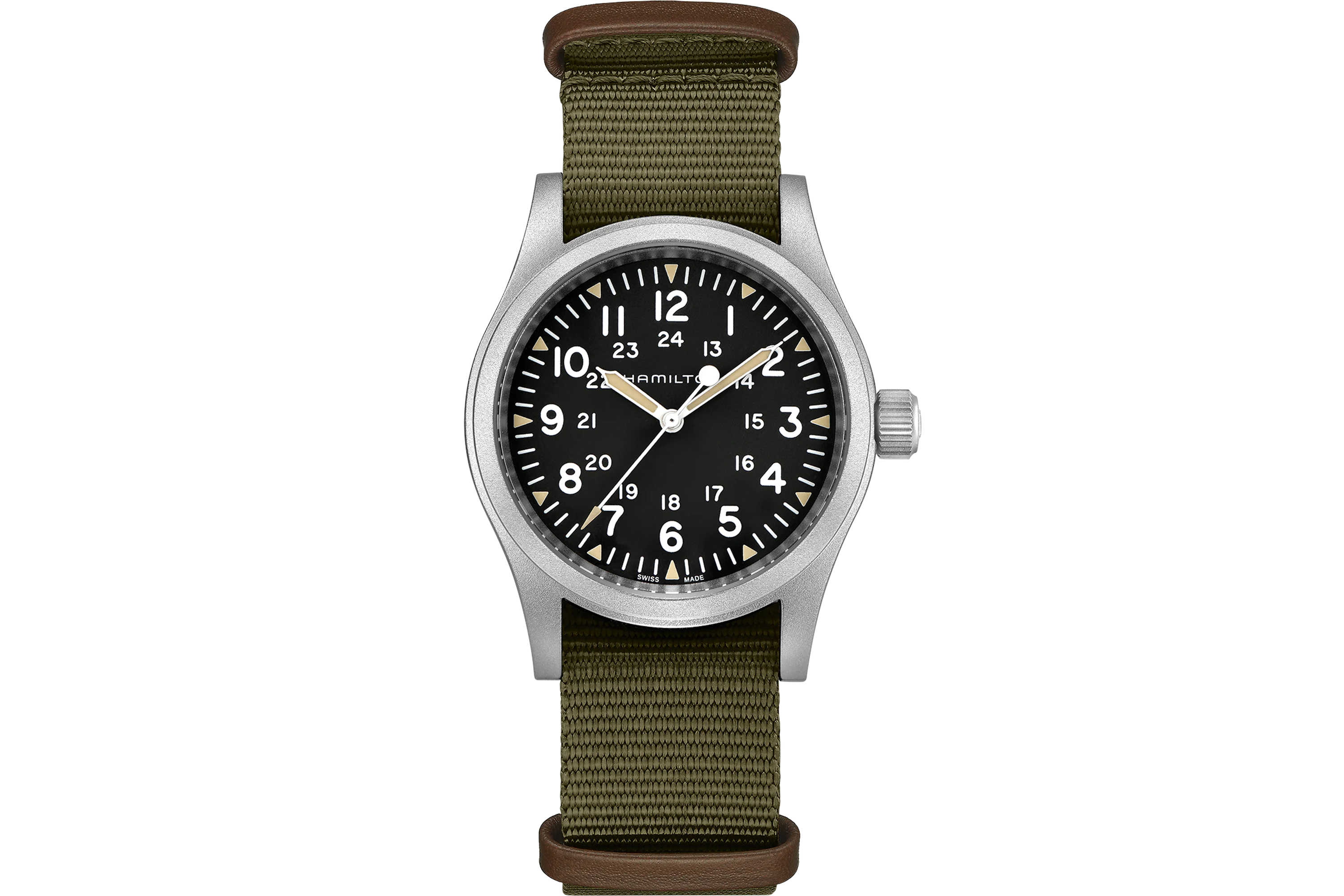
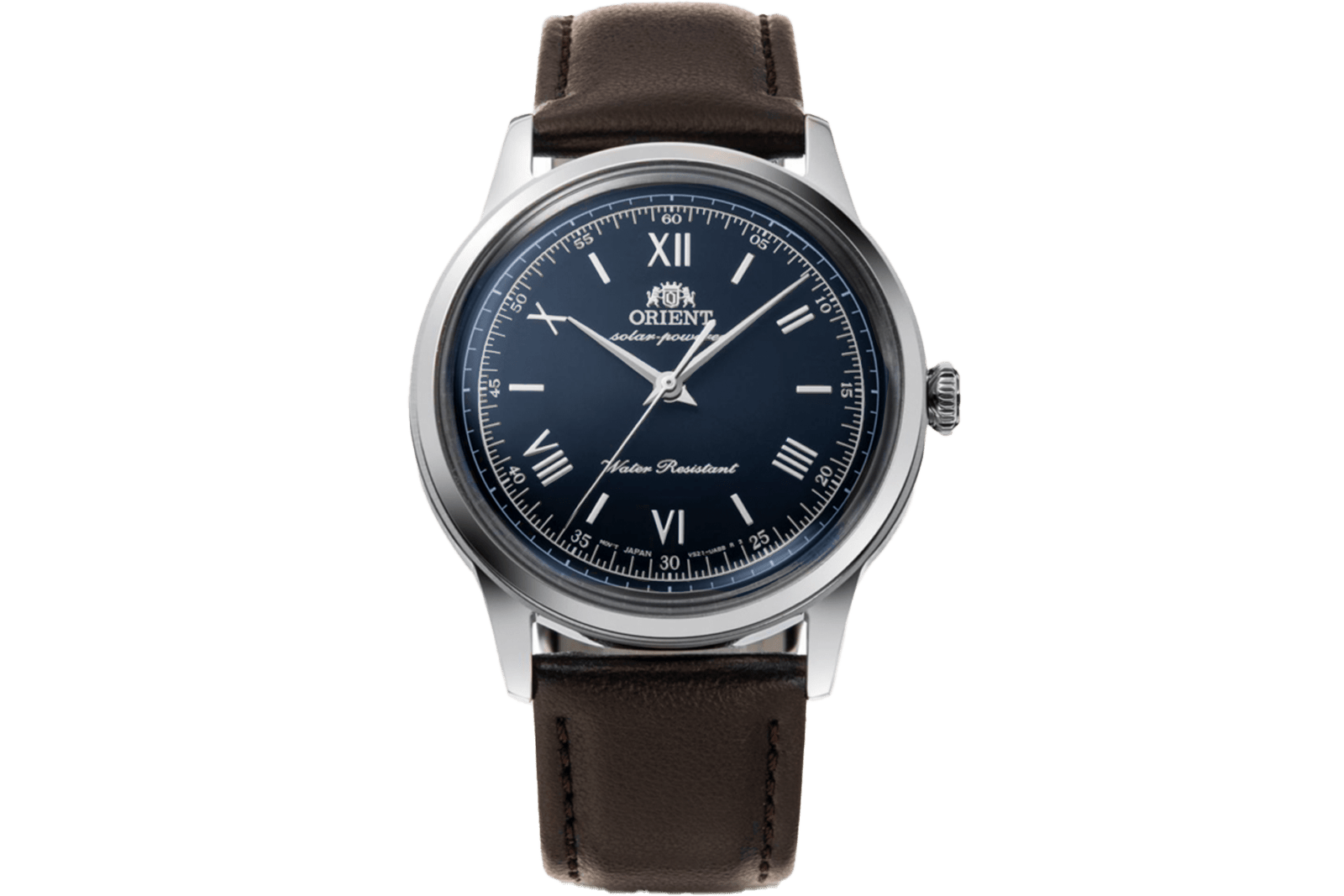
A fully charged solar watch from Orient, Seiko or Citizen is rated to run for 6 to 12 months in complete darkness, which is roughly 183 to 365 days. The exact figure depends on the movement, and in one case on which of the maker’s own websites you read.
Every one of those watches runs on a quartz movement fed by a small rechargeable cell, and the dial lets light through to a solar panel underneath. The full-charge figure is how long a full cell keeps the watch going if it never sees light again. It is the solar equivalent of a mechanical watch’s power reserve, which is measured in hours. We worked through those mechanical figures in our weekend power-reserve calculation. Solar figures are measured in months.
What the makers publish
We took the full-charge figure for seven solar calibers from the makers’ product pages and instruction manuals, and converted each into days at an average month of 30.4 days. The day counts are our arithmetic.
| Caliber | Example watch, US price | Maker’s full-charge figure | In days (our conversion) | Rated accuracy | Source |
|---|---|---|---|---|---|
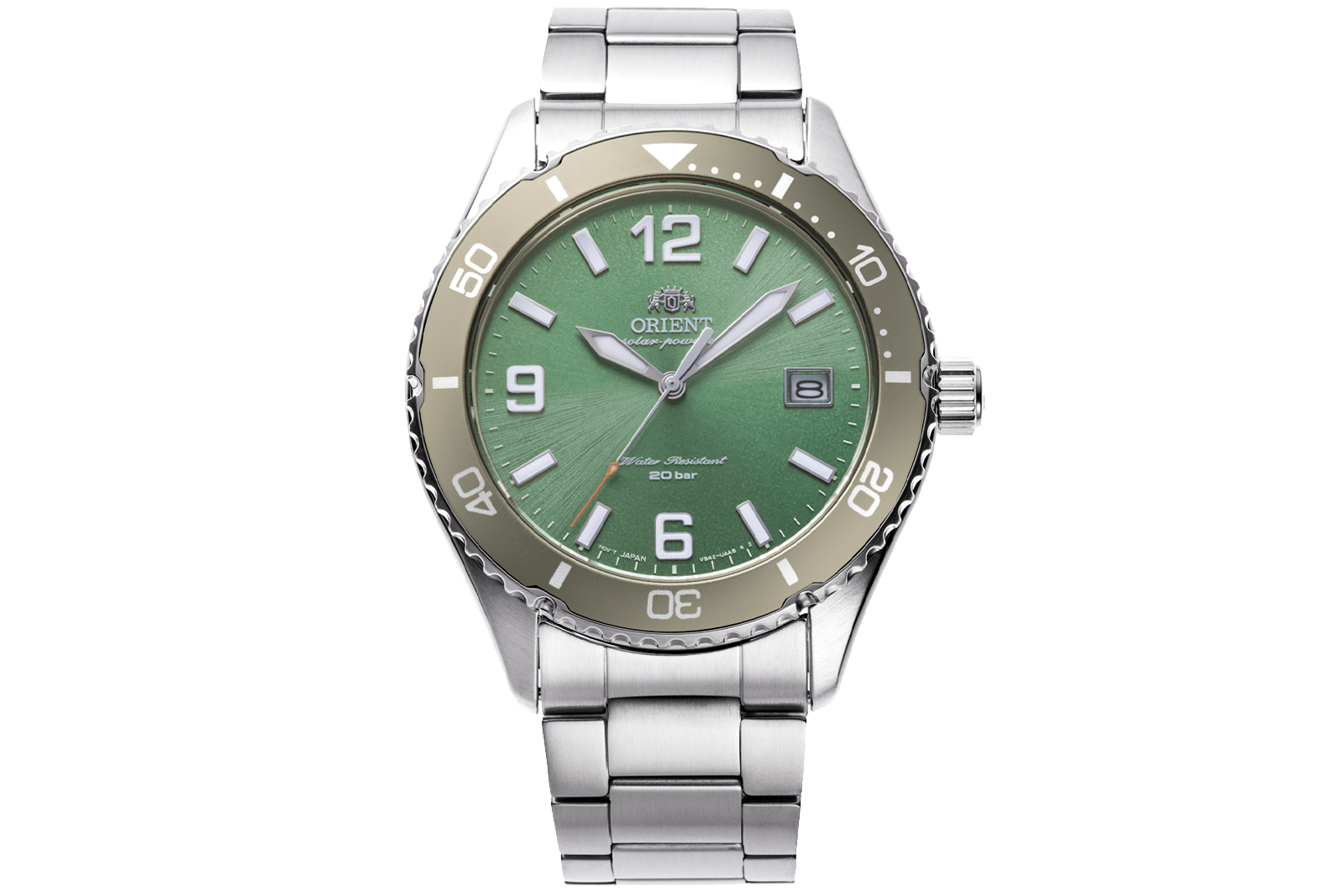
| Orient VS213 | Bambino Solar Quartz RA-WK0004L10B, $245 at Orient Watch USA | About 6 months | About 183 | Not checked | Orient Watch USA product page |
| Orient VS224 | Stretto Date Solar RA-WG0602L10B, $245 | About 6 months | About 183 | Not checked | Orient Watch USA product page |
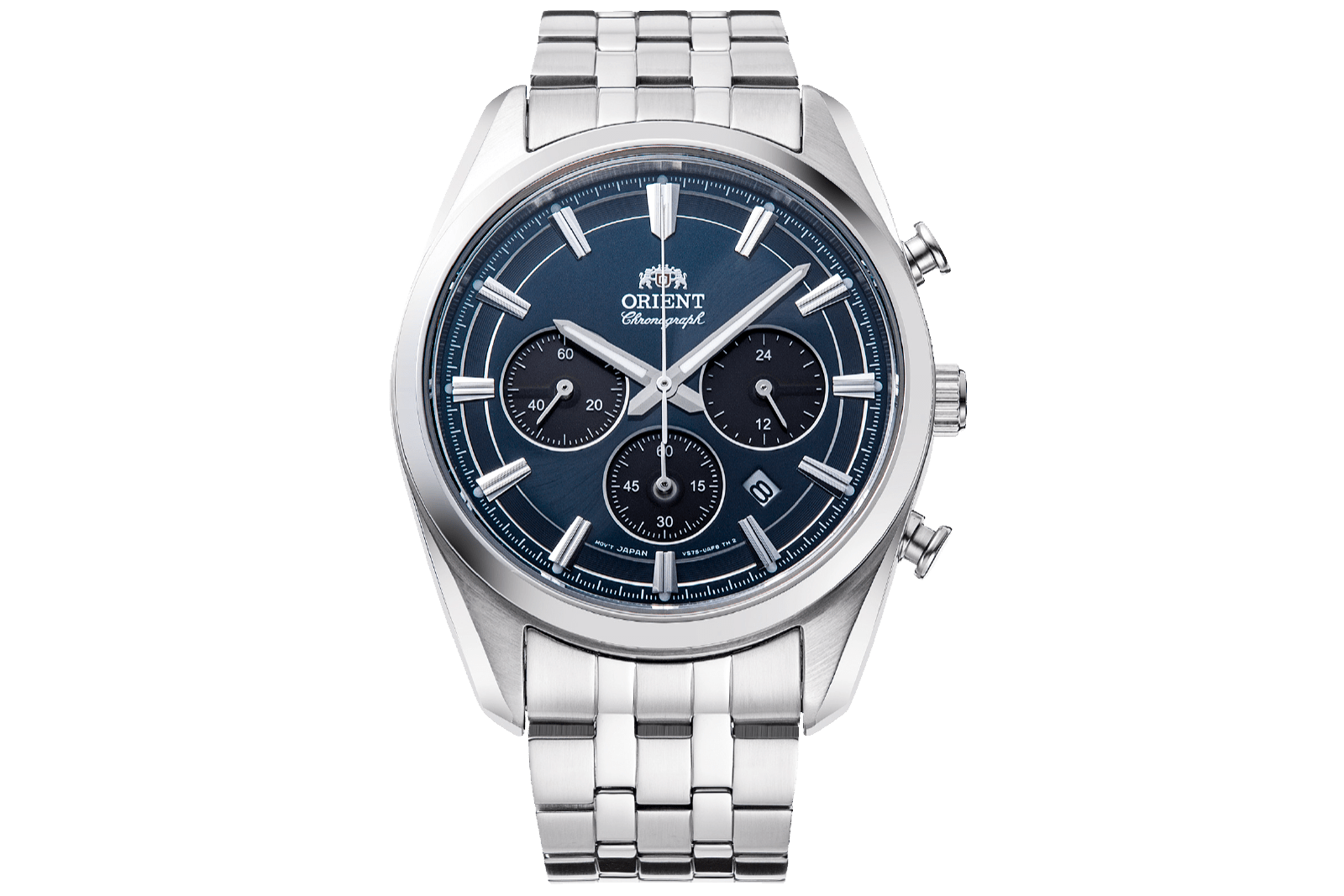
| Orient VS752 | TX02 Solar Chronograph RA-TX0203S10B, $350 | About 6 months | About 183 | ±20 s/month | Orient Watch USA and orient-watch.com |
| Orient VS422 | Solar Quartz Diver RA-WJ0004Y10B, $310 | About 6 months (US store), about 12 months (orient-watch.com) | About 183 or 365 | ±20 s/month | Both Orient sites |
| Citizen E168 | Promaster Dive BN0191-55L, $495 | About 6 months | About 183 | ±15 s/month | Citizen E168 manual |
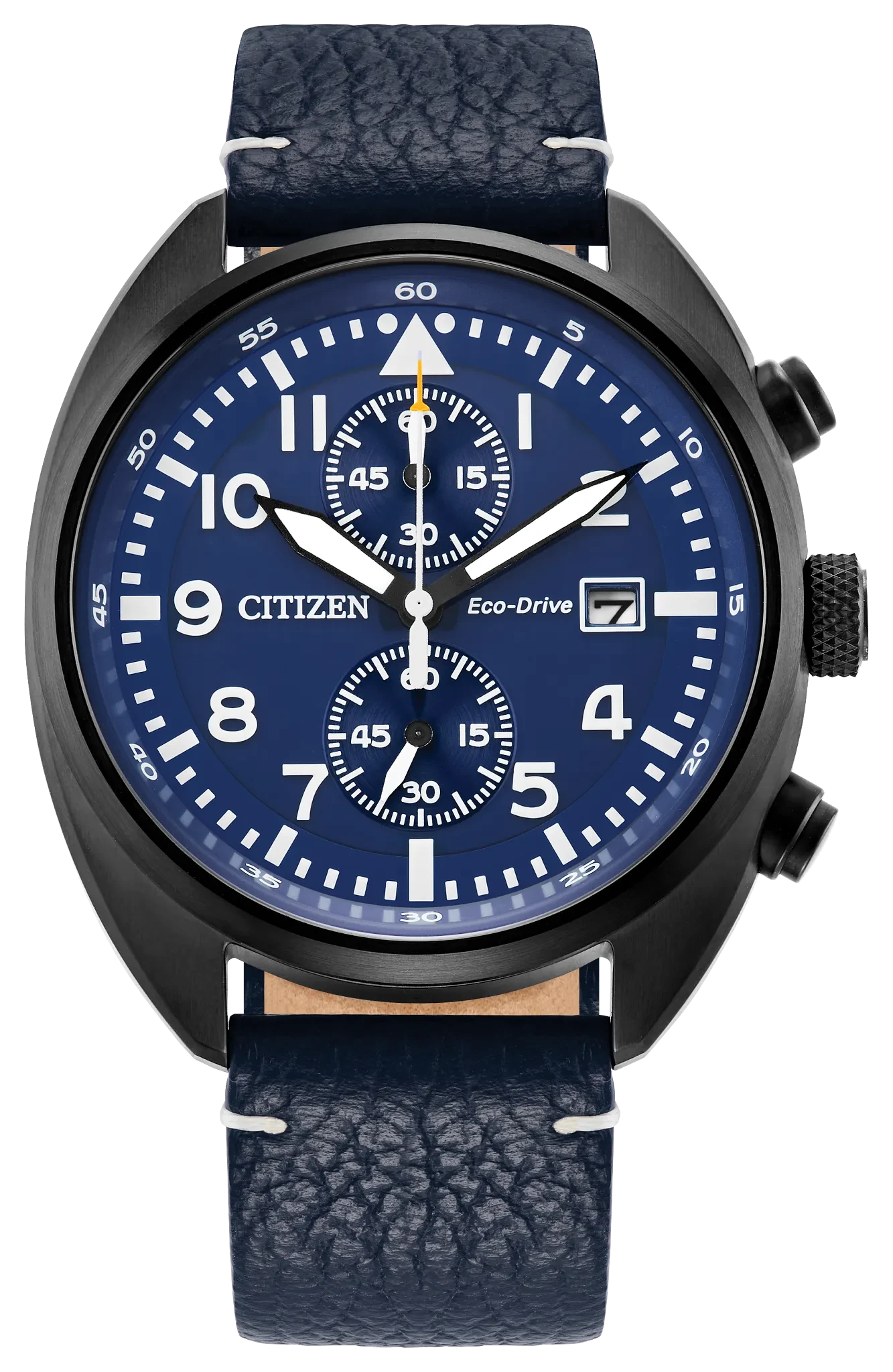
| Citizen B642 | Eco-Drive chronograph CA7048-08L, $450 | About 7 months | About 213 | ±15 s/month | Citizen B642 manual |
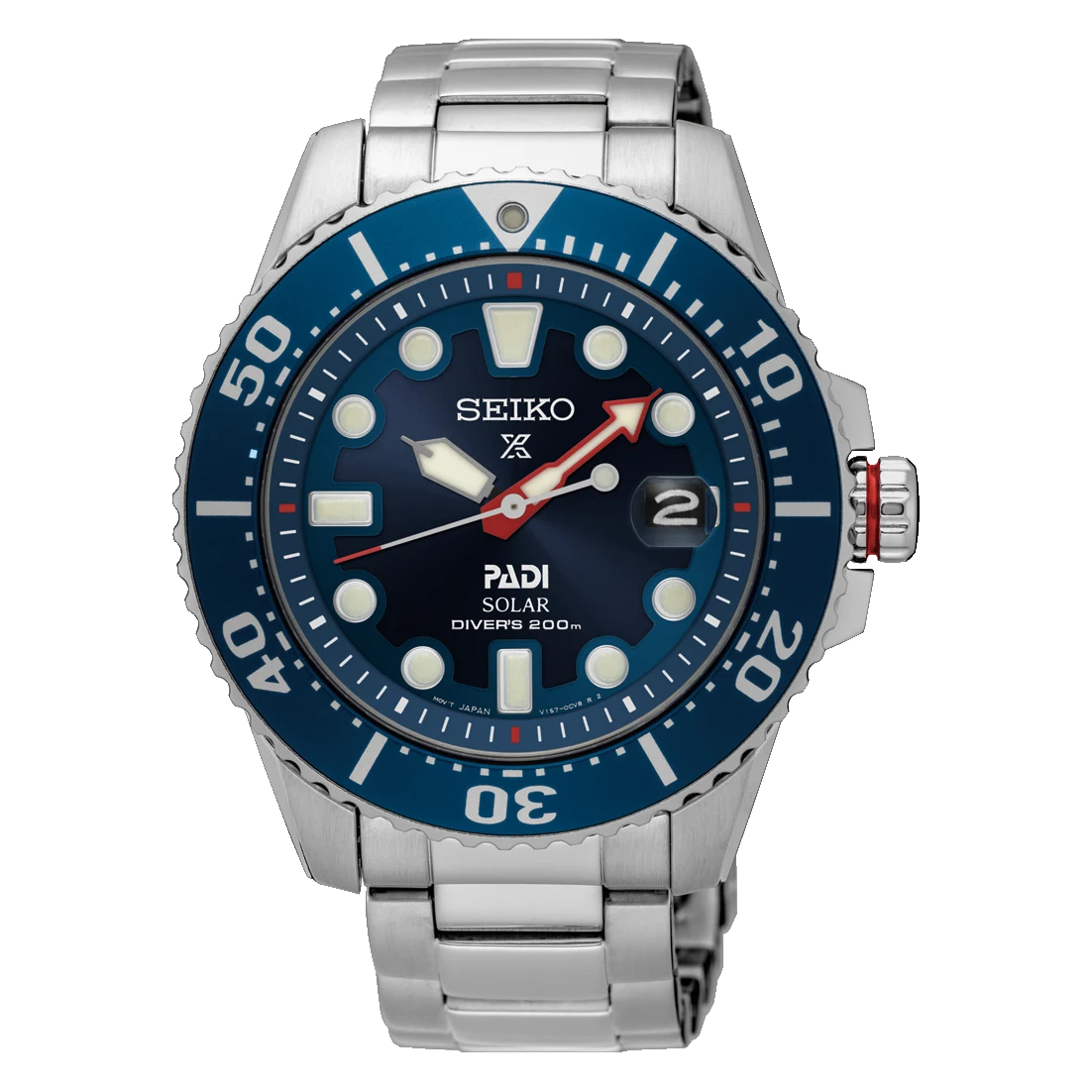
| Seiko V157 | Prospex Solar SNE549, $395 | About 10 months | About 304 | ±15 s/month | seikowatches.com/us-en |
Our compilation from each maker’s product pages and instruction manuals, read November 11, 2026. Prices are each maker’s regular US price. Day counts are our conversion at 365.25 days a year divided by 12.
Seiko’s V157, in the $395 Prospex SNE549, has the longest rating in the set apart from the 12 months on Orient’s global site, at about 10 months. Citizen’s two Eco-Drive calibers are rated at 6 and 7 months. Orient’s US store lists all four of its solar calibers at the same figure.
Why does Orient give two different numbers for the same watch?
We cannot say from the pages themselves. Orient Watch USA lists every one of the 25 solar references it sells (we counted them for our price ladder) at “Approximately 6 Months”, across the VS213, VS224, VS422 and VS752 calibers. Orient’s global site, orient-watch.com, agrees for the VS752 chronograph, at “About 6 months full charge”. For the VS422 Solar Quartz Diver it says “About 12 months full charge”.
Neither page explains the difference. Until the two agree, the safe number to plan around is the lower one. We noted the same gap when we compared Orient’s Solar Quartz Diver with Seiko’s Prospex Solar.
On a full charge, the shortest-rated watch in our table runs about 183 days with no light at all.
In practice none of these watches is likely to stop in a drawer within a few weeks. The useful question is how much light keeps one topped up when it is worn.
How much light does one day of running need?
Citizen answers that in its manuals, and the answer is less than most owners would guess. The E168 manual, for the Promaster Dive, and the B642 manual, for the CA7048 chronograph, both include a table of charging times in four lighting conditions.
| Light (Citizen’s figures) | Illuminance | E168, one day’s running | B642, one day’s running | E168, full charge from empty | B642, full charge from empty |
|---|---|---|---|---|---|
| Outdoors, sunny | 100,000 lx | 2 minutes | 2 minutes | 11 hours | 8.5 hours |
| Outdoors, cloudy | 10,000 lx | 11 minutes | 11 minutes | 35 hours | 45 hours |
| 20cm from a 30W fluorescent lamp | 3,000 lx | 40 minutes | 35 minutes | 120 hours | 150 hours |
| Interior lighting | 500 lx | 4 hours | 3.5 hours | Not given | Not given |
From Citizen’s instruction manuals for calibers E168 and B642, sections on charging time. Times are for the dial facing the light continuously. Our compilation.
By our arithmetic from those tables, ordinary room light is 105 to 120 times less effective than direct sun. Two minutes of sunshine buys as much running as three and a half to four hours under indoor lighting. A watch worn under a shirt cuff all day in an office may be charging less than its owner thinks.
The full-charge column matters less than it looks. Citizen’s manuals say a stopped watch restarts after a short exposure (17 minutes of sun for the E168, 25 for the B642), and the full-charge times assume a cell drained to empty. The E168 manual recommends “exposing your watch to light every day to ensure optimum performance.”
Neither Orient nor Seiko publishes a charging table on the product pages we read. Seiko’s and Orient’s instruction manuals may carry one, but we have not checked them for this piece, so we leave those cells out rather than guess.
Accuracy, the other half of the case for solar
All of the rated calibers in our table are far more accurate than an affordable automatic. Citizen and Seiko rate theirs at ±15 seconds a month, and Orient its VS422 and VS752 at ±20. A mechanical Orient F6922 is rated at +25 to −15 seconds a day, and our accuracy explainer shows how far that can add up over a month. For a watch that may sit unworn for weeks and still show the right time when it is picked up, solar quartz is the practical choice.
The next figure to check is Orient’s. When the US store’s spec tables and orient-watch.com agree on the VS422, we will update the table above.